
Support that fosters commitment
Attracting committed individuals is only the beginning. What comes of it also depends on how they are supported.
Effective support provides guidance, builds trust and allows ideas to flourish. What this looks like in practice varies. Here you’ll find the key elements that make up good management of committed individuals – from the initial conversation right through to a successful outcome.
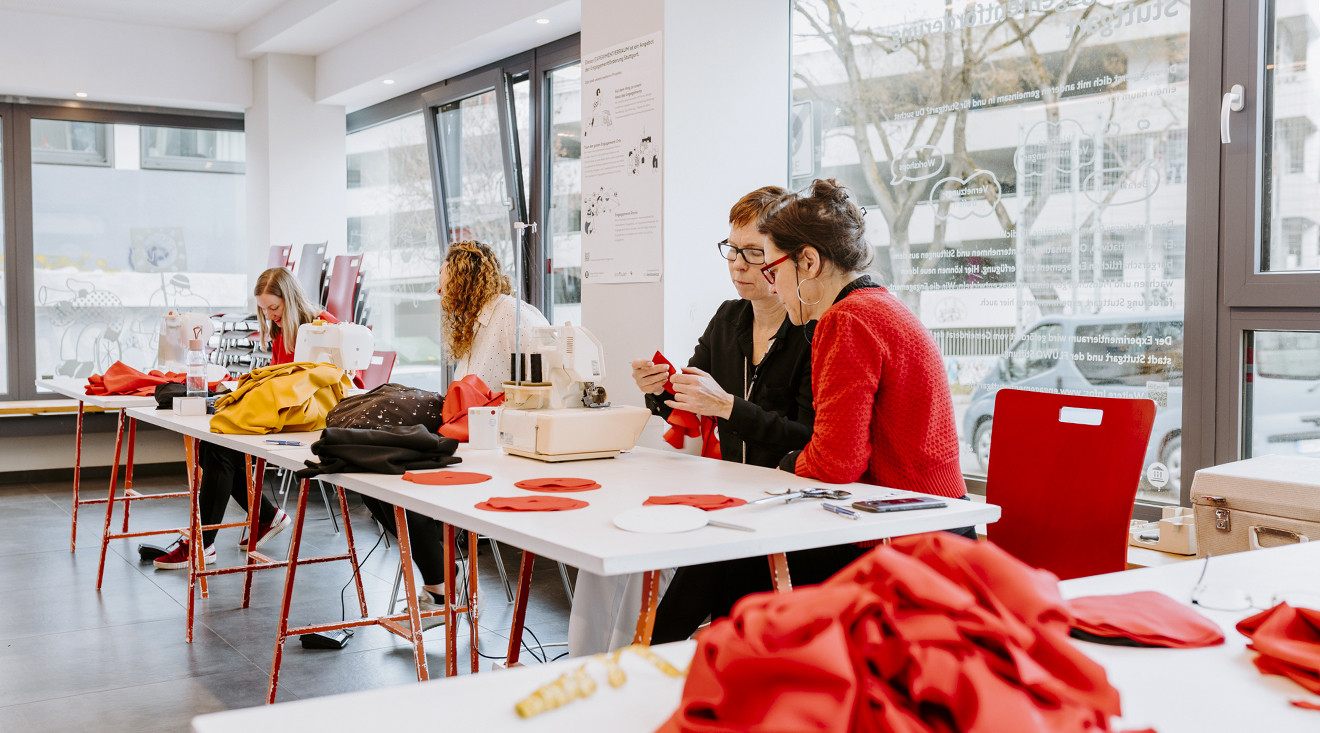
Well supported
A period of involvement goes through various phases, from the initial meeting right through to saying goodbye. In every phase, good support makes all the difference. It provides guidance, reliability and a sense of being seen.
The following topics highlight what matters in each phase, for volunteers as well as for organisations.
A good start makes all the difference. Ideally, the process begins with a face-to-face meeting to get to know one another. During this meeting, we discuss together what the role might involve.
How much time is realistic? Which tasks are suitable? What are the expectations on both sides? This doesn’t need to follow a formal structure, but it does provide clarity.
Helpful resources can also make it easier to get started, such as a welcome pack containing information about the organisation, tasks and procedures. Mentoring arrangements between experienced and new volunteers can provide additional support. In some areas, it is possible and advisable to get involved on a trial basis at first.
A structured initial meeting with clear agreements provides reassurance, even if it remains informal.
Volunteers should know who to turn to. Full-time staff should actively make it clear that they are approachable. Fixed contact times, telephone numbers for direct points of contact or other communication channels create a sense of reliability. Regular newsletters or other forms of communication keep everyone up to date. This ensures that no one feels left out and that everyone can really get involved
Clarify early on which communication channels work best for your team: whether it’s newsletters, messaging apps or face-to-face conversations. The main thing is that nobody has to search for ages to get answers.
Committed members receive targeted support where it is needed – whether in planning, with technical queries, or when exchanging ideas with others. This applies to large projects just as much as it does to smaller tasks. Regular meetings strengthen team spirit and keep the network vibrant.
When things get difficult, swift action is key. Conflicts or uncertainties should be addressed at an early stage. One-to-one discussions, mediation or supervision can help to restore clarity.
Commitment requires stable structures and reliable routines. Both strengthen a sense of belonging and the joy of being part of the team.
Make sure to schedule regular opportunities for exchange. Not just for professional matters, but also for informal chat. This strengthens the groups and makes collaboration more reliable.
Committed individuals drive ideas forward, forge connections and take on responsibility. That deserves recognition.
Recognition can take many forms: for some, it is a sincere conversation; for others, a public thank you, a small token of appreciation or the opportunity for further development. What matters is that it is felt.
Personal support is also part of this. Full-time staff or those in leadership roles listen, take concerns seriously, provide feedback and offer support wherever possible. This builds trust – and creates space for personal development.
A strong culture of feedback and recognition is built through regular engagement and active listening. Volunteers who feel valued are more likely to remain connected.
Find out more about recognition
Why a lack of recognition is one of the most common reasons why people stop volunteering
Sometimes a project comes to an end or is put on hold. Even then, support remains important. A respectful conclusion shows that the effort made has been recognised and that the time spent together was meaningful.
A final meeting can help to reflect on experiences, gather feedback and discuss possible next steps. If desired, contact can be maintained. Perhaps a new collaboration will arise at a later date.
Certificates and references can also form part of a good conclusion. They highlight the experience and skills gained during the placement.
A good conclusion is just as important as a good start. It leaves a lasting impression and keeps doors open.
Support that makes volunteering possible
Good support is also reflected in the wider framework. Some organisations offer additional support to ensure that volunteering fits in well with everyday life and that volunteers can develop further.
These include, for example, training programmes, learning spaces, help with personal matters or – where possible – childcare. Such provision varies from place to place. It is important that organisations assess what suits their volunteers, their tasks and their resources.
Get your bearings quickly
Here you’ll find the most important information for